
¹H NMR & ³¹P NMR
Compare chemical signatures and component profiles between the benchmark degreaser and purchased raw materials.
FindingThe spectra provided a basis for distinguishing chemical features and component-profile differences.
Competitor-product analysis and raw-material comparison identified a chemical-grade mismatch that prevented an alkaline degreaser trial from reaching target cleaning performance.
Project context
A manufacturer wanted to analyse a competitor alkaline degreaser and develop a comparable product for internal production. Multiple formulation trials fell short of the expected cleaning performance.
The customer needed to determine whether the performance gap came from the benchmark product formulation or from the raw materials being used in its own trials, before spending further time on blind ratio adjustments.
Analytical approach
Compare chemical signatures and component profiles between the benchmark degreaser and purchased raw materials.
FindingThe spectra provided a basis for distinguishing chemical features and component-profile differences.
Compare the molecular structures of water-soluble and extracted components.
FindingThe comparison characterized multi-component formulation differences beyond a simple ingredients list.
Assess chemical features, component profiles and approximate concentration ranges.
FindingThe combined evidence isolated a purchased input that did not match the required chemical grade and composition.
Testing visuals
Use the reading stages to focus on the supplied samples, evidence and documented project outcome.
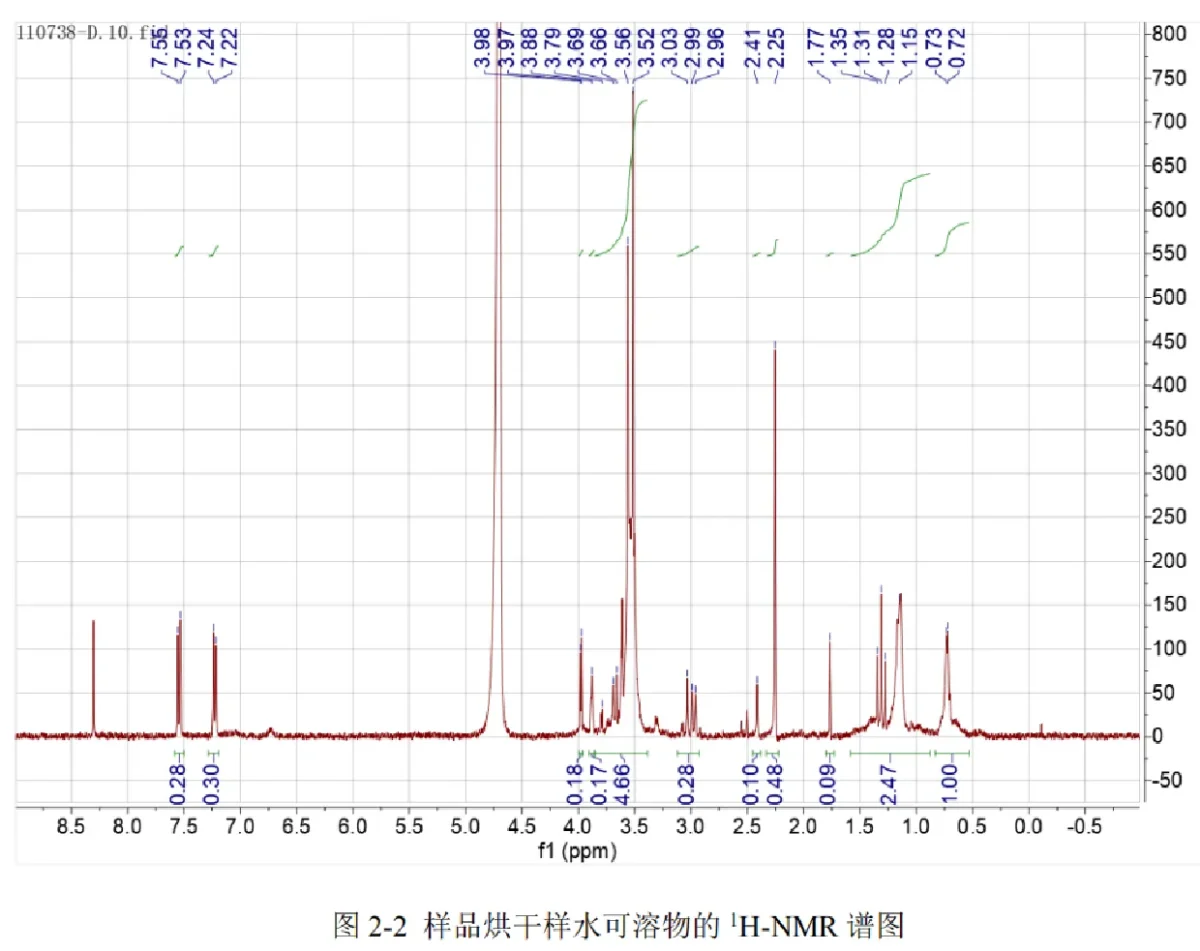
¹H NMR spectrum
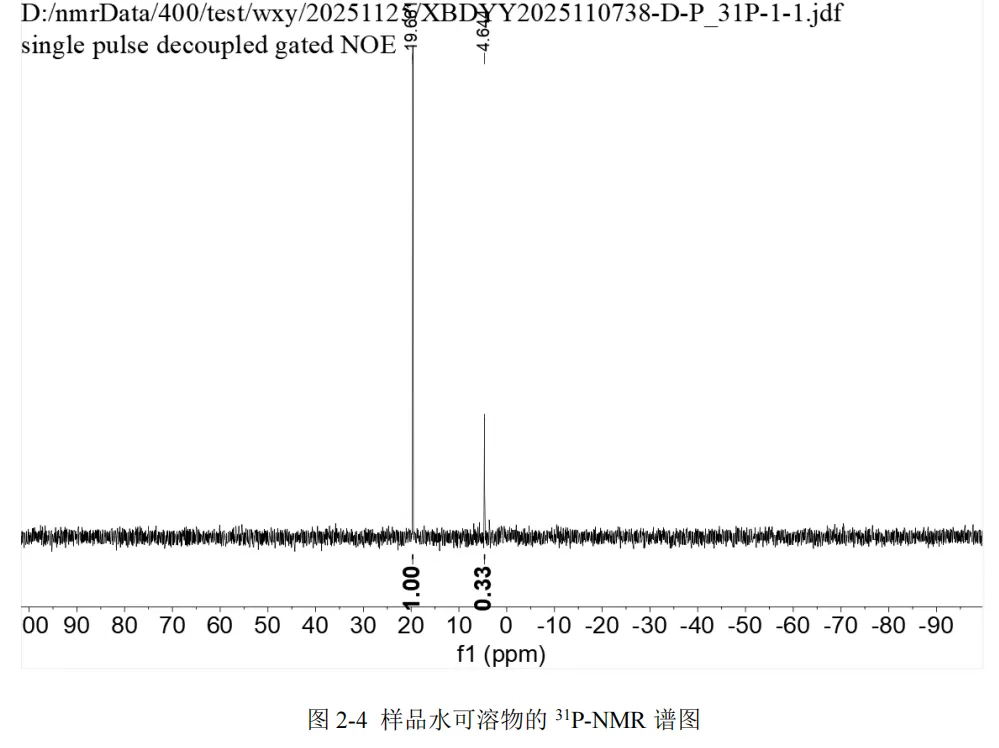
³¹P NMR spectrum
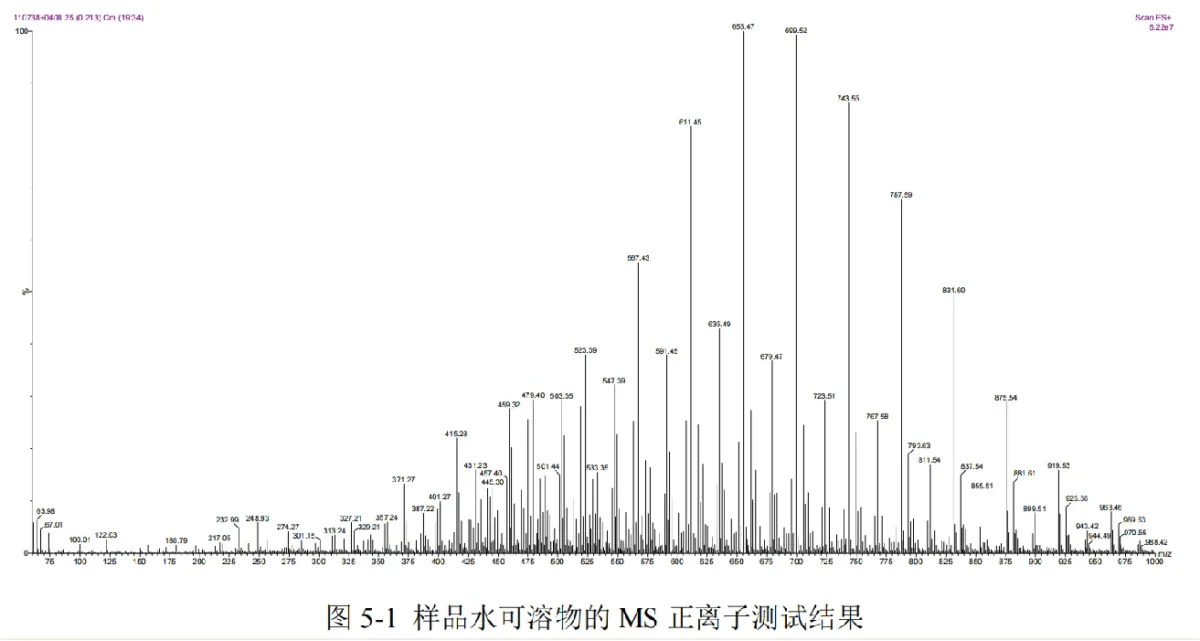
Positive-ion MS spectrum
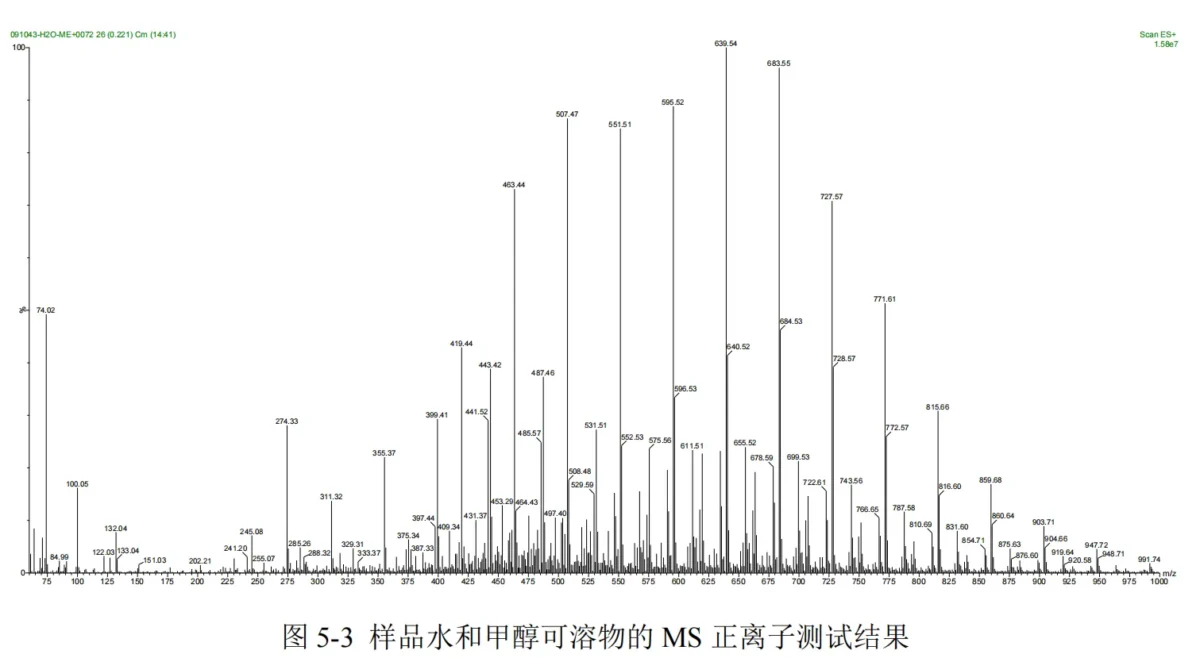
Positive-ion MS spectrum
Root-cause conclusion
Request analysis
Describe the sample, failure symptom, product objective or formulation question so that a suitable investigation path can be discussed.