
Services
What is Materials Testing?
Scientifically evaluate how a material behaves under mechanical, thermal, chemical and environmental conditions.
Materials Testing · Service notes
Understand how a material will perform in the conditions that matter.
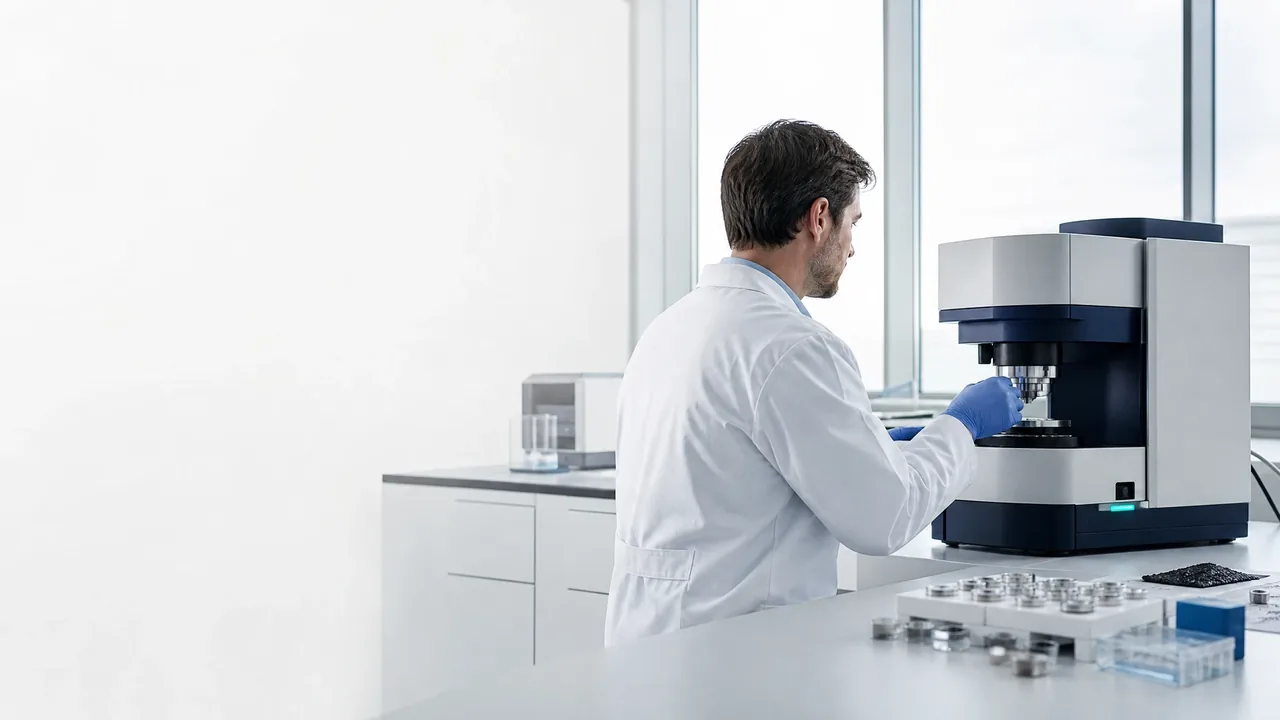
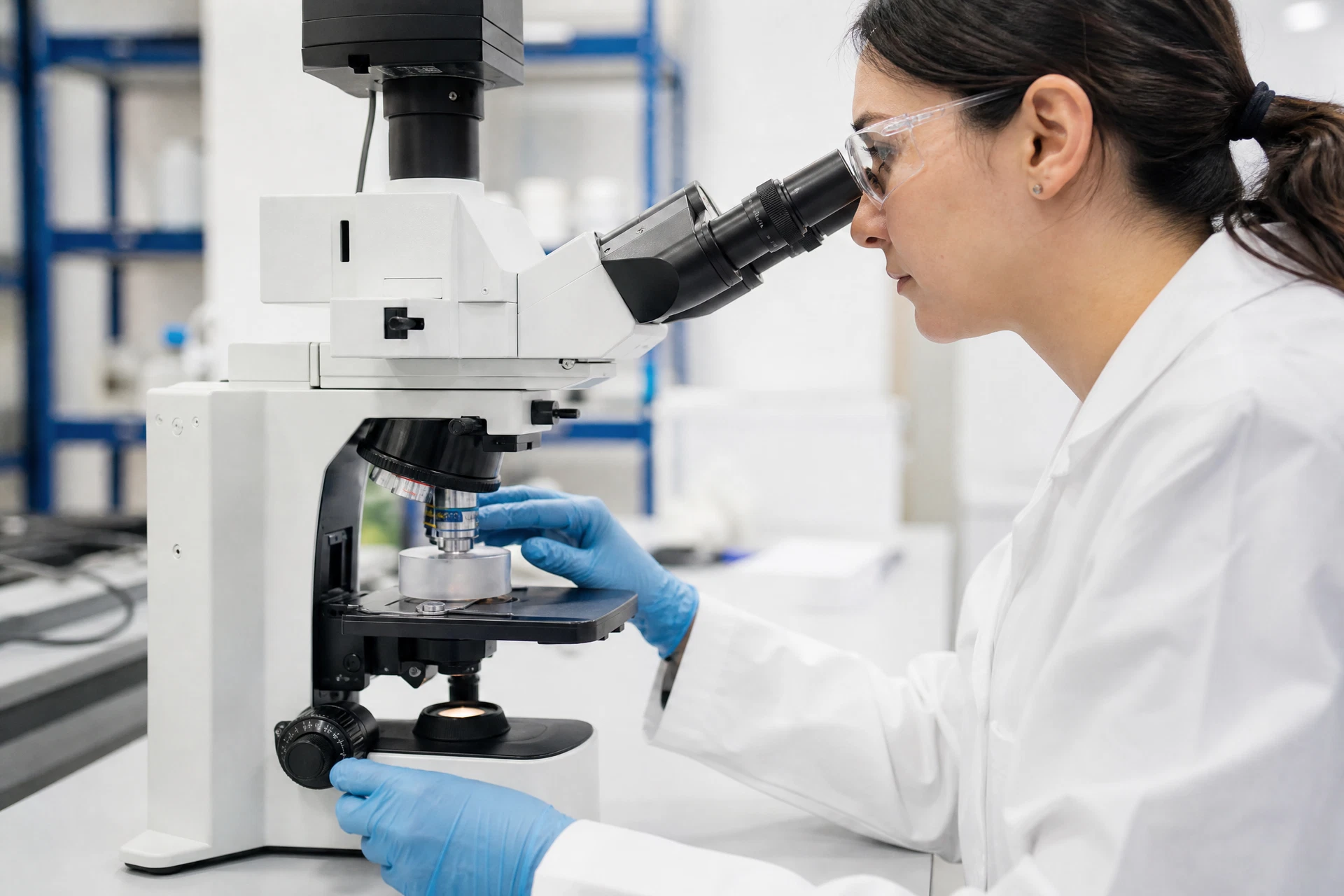
Materials testing is the scientific evaluation of material behaviour under mechanical, thermal, chemical and environmental conditions. It helps manufacturers, engineers and researchers understand how a material is likely to perform in real applications and critical operating environments.
By understanding how materials respond to different conditions, teams can improve product performance, prevent defects, reduce risk and make more informed manufacturing decisions.
Mechanical performance and durability
Structural integrity and microstructure
Thermal stability and transitions
Chemical composition and purity
Environmental and chemical resistance
Material degradation or failure root cause
Related Services
Continue the investigation
Composition Analysis
Understand the main material phases and constituents relevant to a product question.
Explore 02Formulation Analysis
Investigate formulation-level differences to support product understanding and development.
Explore 03Deformulation
Build a structured picture of materials, functional ingredients and their relationship in a product.
Explore 04Failure Analysis
Investigate cracking, contamination, delamination, discoloration, aging and performance loss.
Explore 05Material Characterization
Define the chemical, thermal, physical, morphological or surface questions that need evidence.
Explore 06Reverse Engineering
Investigate material choices, product structure and meaningful differences between comparable products.
Explore 07R&D Support
Connect an analytical question to formulation optimization, performance improvement and development work.
Explore 08Performance Improvement
Use testable material evidence to help prioritize a product-improvement path.
Explore 09Contamination & Impurity Analysis
Investigate unexpected residues, trace impurities, foreign matter and potential sources.
ExploreTechnical inquiry
Bring the material question.
Share enough context to help frame a focused investigation pathway.
