Solvent-Based Phenolic Fireproof Coating Development
Comparative resin deformulation clarified the composition and synthesis direction needed to unblock a solvent-based phenolic fireproof coating program.
DeformulationResin SelectionFireproof Coatings
Project context
Background and technical challenge.
A coating manufacturer was developing a solvent-based phenolic fireproof coating. Fillers and additives remained stable in internal trials, but final performance remained below target and resin selection delayed development for almost six months.
The challenge
Two reference resin samples were available, but the customer needed to understand their composition, likely monomer logic and raw-material direction before rebuilding a suitable resin system.
Analytical approach
Each method answered a different technical question.
01
Comparative sample analysis
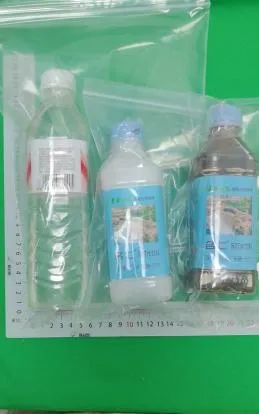
Compare a light-yellow phenolic resin and a milky urea-formaldehyde reference sample.
FindingThe comparison highlighted material differences relevant to resin selection and compatibility in the solvent-based coating system.
02
Chemical composition analysis
Investigate key components, likely monomer sources and formulation-level differences.
FindingThe analysis clarified the main composition features and possible raw-material choices behind the reference resins.
03
Thermal and formulation interpretation
Relate the analytical evidence to hardness, flexibility, weathering and filler compatibility needs.
FindingThe results provided a more focused synthesis direction instead of further blind trials with commercially named resin categories.
Testing visuals
Inspection imagery and instrument outputs.
Use the reading stages to focus on the supplied samples, evidence and documented project outcome.
Reference resin comparison
Phenolic and urea-formaldehyde resin samples
Customer-provided reference resin samples used for comparative deformulation analysis.
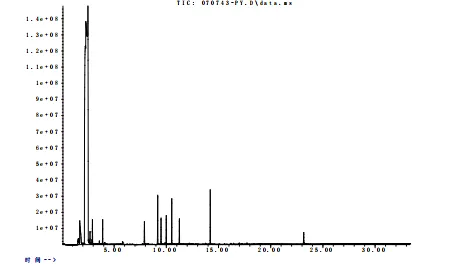
Chemical composition analysis
Instrumental composition profile
User-provided instrumental test output used to support chemical-composition analysis of the phenolic resin.
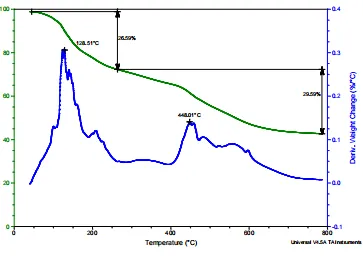
Thermal analysis
Resin thermal-behaviour profile
User-provided thermal-behaviour analysis of the resin sample for the solvent-based fireproof coating.
Deformulation analysis results
Phenolic resin composition summary
User-provided coating deformulation analysis results table for the phenolic fireproof coating resin.
Development outcome
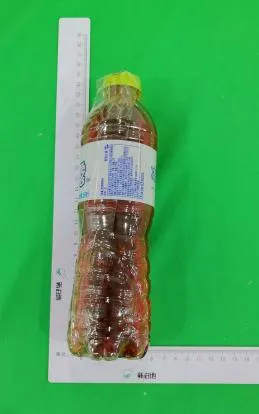
Successfully developed resin sample
User-provided photograph of the resin sample successfully developed after phenolic-resin deformulation analysis.
Root-cause conclusion
The bottleneck was resin selection and compatibility rather than the filler or additive package. Broadly similar phenolic resin labels did not reflect the material-structure differences needed for the target coating performance.
Recommended next steps
Evaluate the indicated monomer structures and raw-material direction for the target system.
Use the comparative findings to set controlled monomer-ratio and synthesis-route trials.
Review resin compatibility against solvent, fillers and functional additives before scale-up.
Documented project outcome
The client used the deformulation findings to adjust its synthesis route with its internal R&D team.
A finished resin sample meeting the reference-product requirements was produced in approximately one month.
The program moved from repeated resin-selection trials to a clearer formulation-development direction.
Request analysis
Have a comparable technical problem?
Describe the sample, failure symptom, product objective or formulation question so that a suitable investigation path can be discussed.